
 EUR
 Mexico · MXN
 United States · USD
The Awakening of "Zombie Cells": How Cutting-Edge Science is "Slowing Down" Ageing
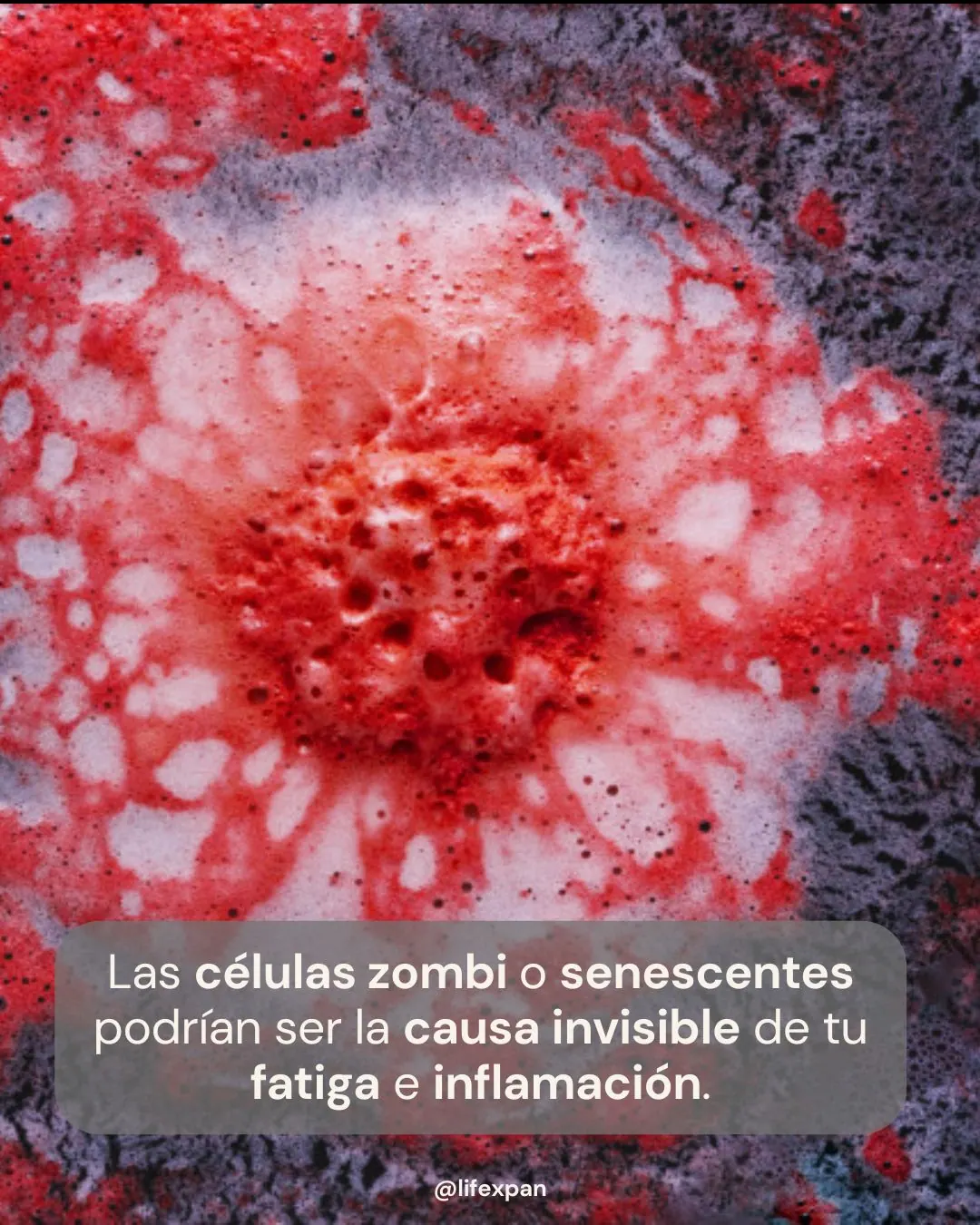
Imagine that in a city, some buildings fall into such disrepair that they can no longer house offices or homes. Yet, instead of being demolished, they remain standing: empty, giving off toxic fumes and debris that damage the healthy structures around them. In our bodies, this happens on a microscopic scale, and it has a name that sounds straight out of science fiction: zombie cells.
Scientifically, we know them as senescent cells. These are cells that have suffered damage—whether through ageing, stress or radiation—and which, to avoid becoming cancerous, activate a safety mechanism that stops them from dividing further. The problem is that they don't die. They remain in a kind of biological "limbo", building up in our organs and secreting a cocktail of inflammatory substances that "poison" the healthy cells around them.
Below, we'll explore how science is learning to "clear out" these cells and, more importantly, what we can do today to stop our bodies from becoming a zombie graveyard.
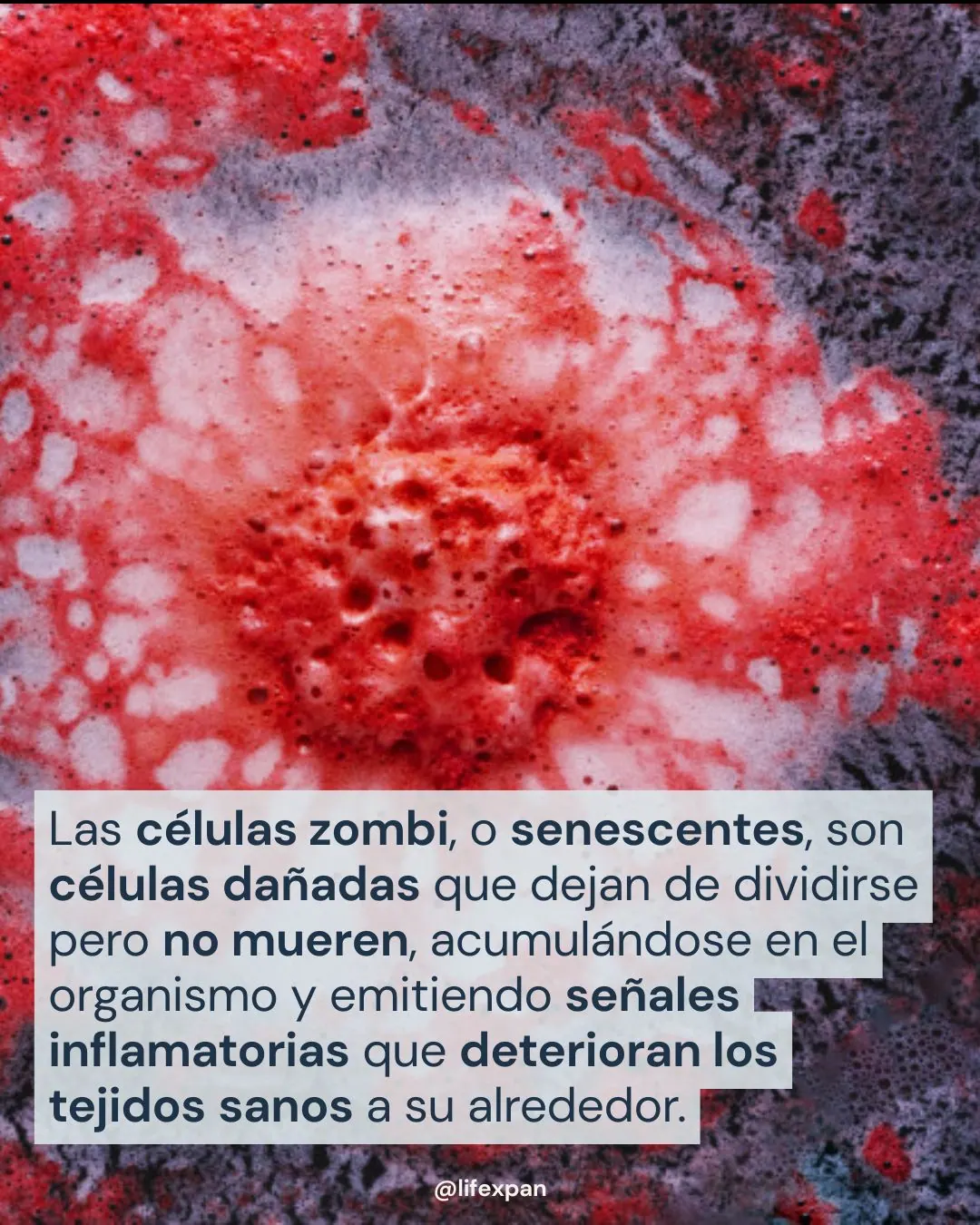
1. The Anatomy of a Cell Zombie: Why Don't They Die?
To understand these cells, we need to talk about their "armour". Normally, when a cell is severely damaged, it activates a process called apoptosis (programmed cell death, or "cellular suicide"). It's the body's way of keeping house clean.
Zombie cells, however, are experts at survival. They use specific signalling pathways called SCAPs (Senescent Cell Anti-apoptotic Pathways). It's as if they hack the body's self-destruct system in order to stay active.
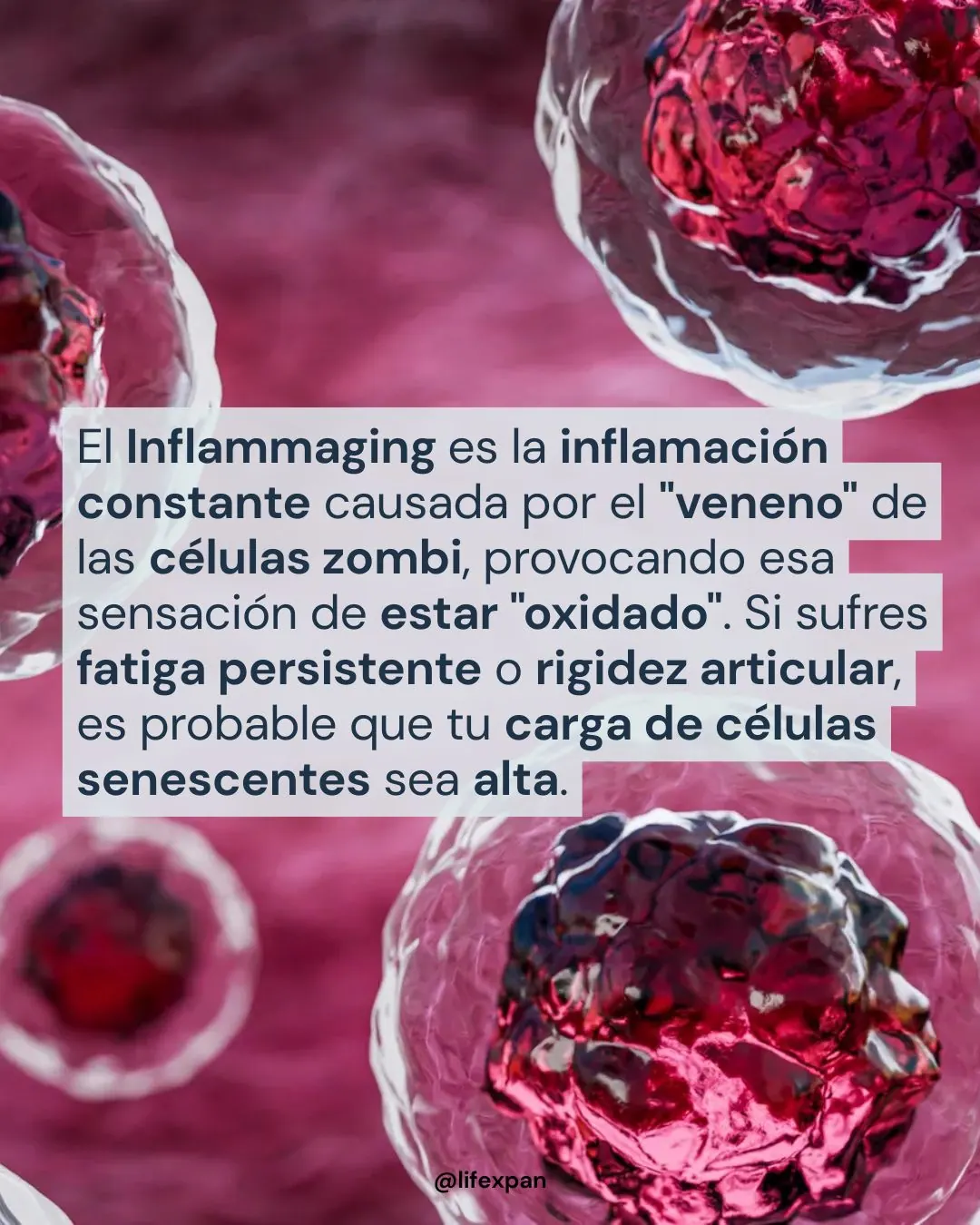
From this position, they release what's known as SASP (Senescence-Associated Secretory Phenotype). This "poison" is a mix of inflammatory proteins and enzymes that break down tissue. If you only have a few zombie cells, the body clears them away easily. But with age, our immune system slows down and these cells start to gain the upper hand, causing what scientists call "inflammaging": a chronic, low-grade inflammation that provides fertile ground for Alzheimer's, diabetes and heart disease.
2. Critical Advances and Challenges (2024–2025): From Mice to Humans
We're living through a historic moment. We're no longer just rejuvenating mice in the lab; we're now well into human trials. Over the past year, Geroscience—the discipline that seeks to treat ageing as the root cause of all disease—has made huge strides forward.
The success of local precision
In 2024 and 2025, we've learnt that "less is more". Rather than giving a pill that travels throughout the entire body, the best results are being seen with localised treatments.
- Ophthalmology: Drugs (such as UBX1325) have been trialled, injected directly into the eye to treat vision loss caused by diabetes. By clearing zombie cells only in the retina, vision is restored without affecting the rest of the body.
- Joints: Recent trials show that clearing senescent cells from knees affected by osteoarthritis reduces pain and allows the cartilage to begin repairing itself.
The challenge of "Senotyping"
The great challenge of 2025 is that not all zombies are alike. A zombie cell in the brain is different from one in the skin. Science is now working on senotyping: identifying exactly which type of zombie cells each patient has, in order to give them the right "cleaner" (senolytic).
3. Lifestyle as Applied Geroscience
This is where you come in. You don't have to wait for a pharmaceutical company to approve the "fountain of youth serum" in 2030. You can apply geroscience today. Your lifestyle is, in fact, the most powerful intervention available to stop your healthy cells from turning into zombies.
Exercise: The Free Senolytic
Physical exercise, particularly strength training combined with high-intensity cardio, is the best cellular "street sweeper". Movement activates autophagy (cellular recycling) and helps the immune system detect and destroy cells that have become stuck. It's not just about looks; it's a deep biological clean-up.
Sleep: Repairing the Genome
While you sleep, your body activates DNA repair brigades. If you cut back on sleep, DNA damage builds up, and a cell with damaged DNA is the perfect candidate to turn into a zombie.
4. Nutrition and Smart Supplementation
Diet is our first line of defence. Some natural compounds have shown gentle "senolytic" abilities, meaning they help eliminate damaged cells or, at the very least, silence their poison (SASP).
The polyphenol-rich diet
Eating foods rich in quercetin (red onion, capers) and fisetin (strawberries, persimmons) is essential. These polyphenols act as modulators that make it harder for senescent cells to survive.
Advanced Supplementation: Support from Lifexpan.eu
Sometimes, diet alone isn't enough to counteract the wear and tear of modern life (stress, pollution, blue light). This is where strategic supplementation comes into play to support mitochondrial function and cellular longevity. On specialised sites such as Lifexpan.eu, you'll find tools designed with this scientific logic in mind:
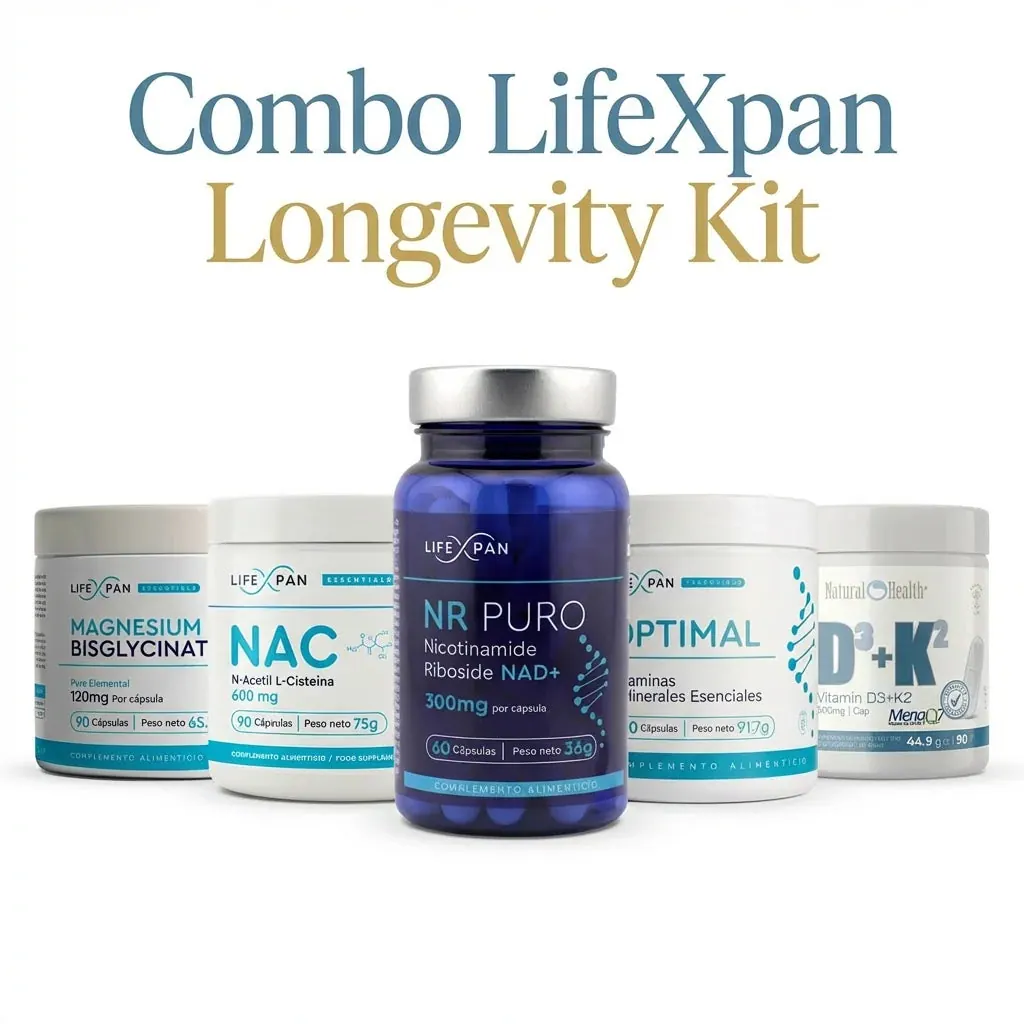
- NAD+ Activators: NAD+ is the fuel your repair enzymes need to fix DNA. If NAD+ levels are low, the cell gives up and becomes senescent. Supplements such as Nicotinamide Riboside (NR) help keep these levels high, which is key for longevity.
- Mitochondrial Antioxidants: As we saw in recent research, melatonin, N-Acetyl L-Cysteine (NAC) and other specific antioxidants protect the cell's "engine" (the mitochondria). A healthy mitochondrion stops the cell from turning into a zombie.
- Highly Absorbable Magnesium: Specifically, Magnesium Bisglycinate is essential for over 300 biochemical reactions, including DNA stability.
5. The Future: Repairing Instead of Eliminating?
The most exciting frontier of 2025 isn't just killing zombie cells, but reprogramming them. Spanish scientists such as Manuel Serrano are leading research into partial cellular reprogramming. The idea is to introduce factors that "clean" the marks of time from a cell's DNA, making it young and functional again without needing to eliminate it.
We're moving from a medicine that patches things up to a medicine that regenerates.
Conclusion
Zombie cells are a natural part of ageing, but it's their excessive build-up that makes us ill. The good news is that ageing is no longer seen as a one-way street.
Through a combination of lifestyle (exercise and sleep), mindful nutrition and smart supplementation such as that offered by Lifexpan.eu, we have the power to manage our zombie cell load. It's not just about living more years, but about ensuring that every one of our cells keeps working at full capacity, keeping us vital, sharp and active right up to the very last day.
Your biology is not your destiny; it's a system that, for the first time in history, you can now learn to optimise.
Sources used
The senescence-associated secretory phenotype and its physiological and pathological implications.
Mechanisms of Cellular Senescence: Cell Cycle Arrest and Senescence Associated Secretory Phenotype.
Cellular senescence: another of the ageing markers studied by the science of longevity.
Cellular senescence: mechanisms and relevance to cancer and aging
Cellular senescence in age-related cardiovascular disease: past and future
Would you like to know how to start your own longevity protocol? Explore the options at Lifexpan.eu and start investing in your cellular health today.
zombie cells biological ageing applied geroscience inflammaging longevidad cellular longevity mechanisms of extreme longevity partial cellular reprogramming mitochondrial health cellular senescence natural senolytics