
 EUR
 Mexico · MXN
 United States · USD
Karelian Shungite: Properties, Materials Science and its Interaction with Electromagnetic Waves
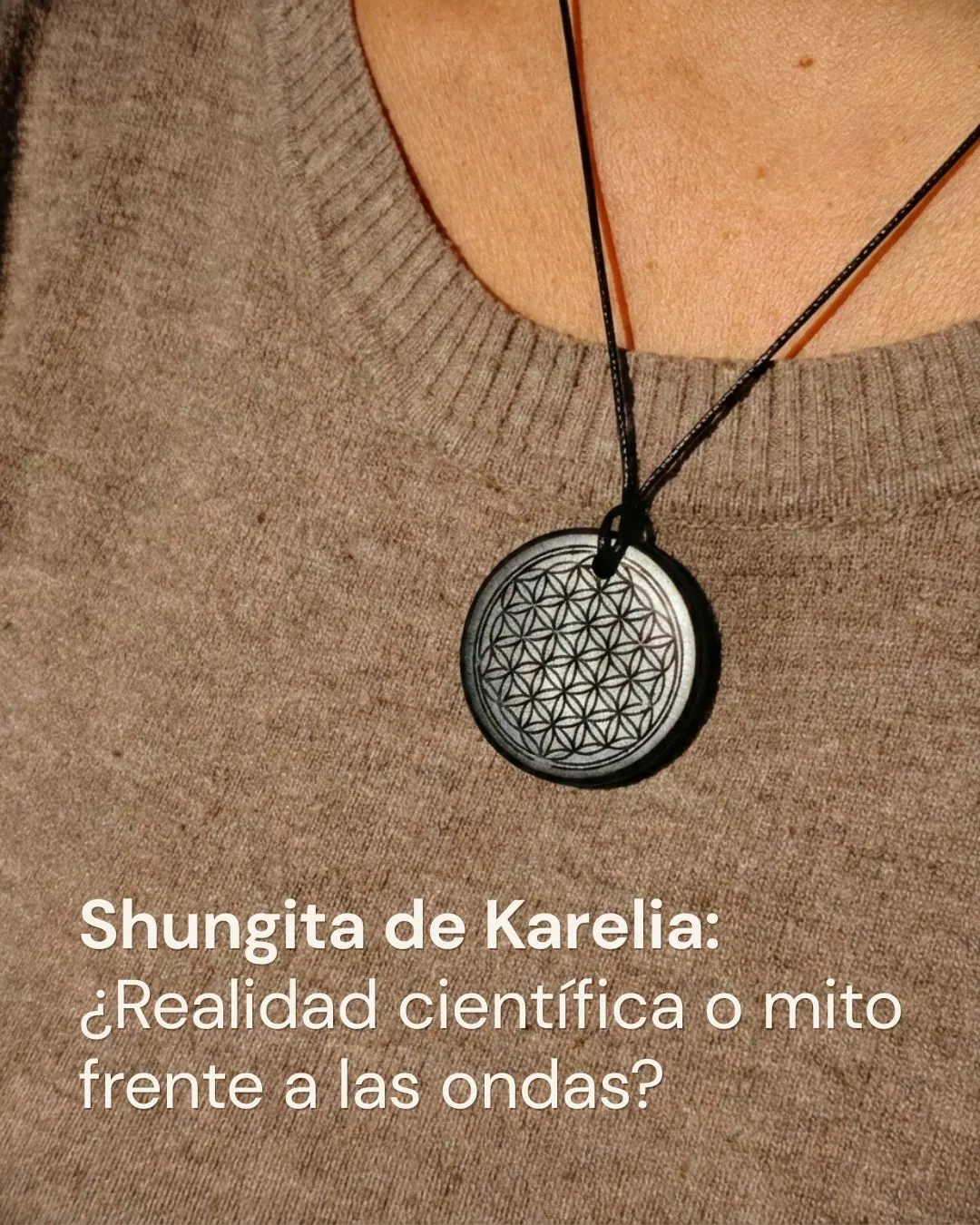
In an increasingly technological world, it's natural to wonder how materials interact with the electromagnetic waves present in devices such as routers, mobile phones or wireless networks. In this context, certain natural carbon-rich materials, such as shungite, have attracted considerable scientific interest due to their unusual physical properties. This article looks at shungite from a materials science perspective, to explain what is actually known about its interaction with radiofrequencies according to the available research.
What is Karelian Shungite?
Shungite is a carbon-rich mineraloid found mainly in the Karelia region of Russia. Formed around two billion years ago, this material is technically classified as a non-crystalline form of carbon. Its internal structure is one of its most studied aspects, as it contains carbon in various forms, including disordered structures similar to graphite.
One notable finding in its composition is the detection, in some cases, of fullerenes (such as C60). These are spherical molecular structures made entirely of carbon which, in laboratory settings, have been widely analysed for their distinctive chemical and electronic properties.
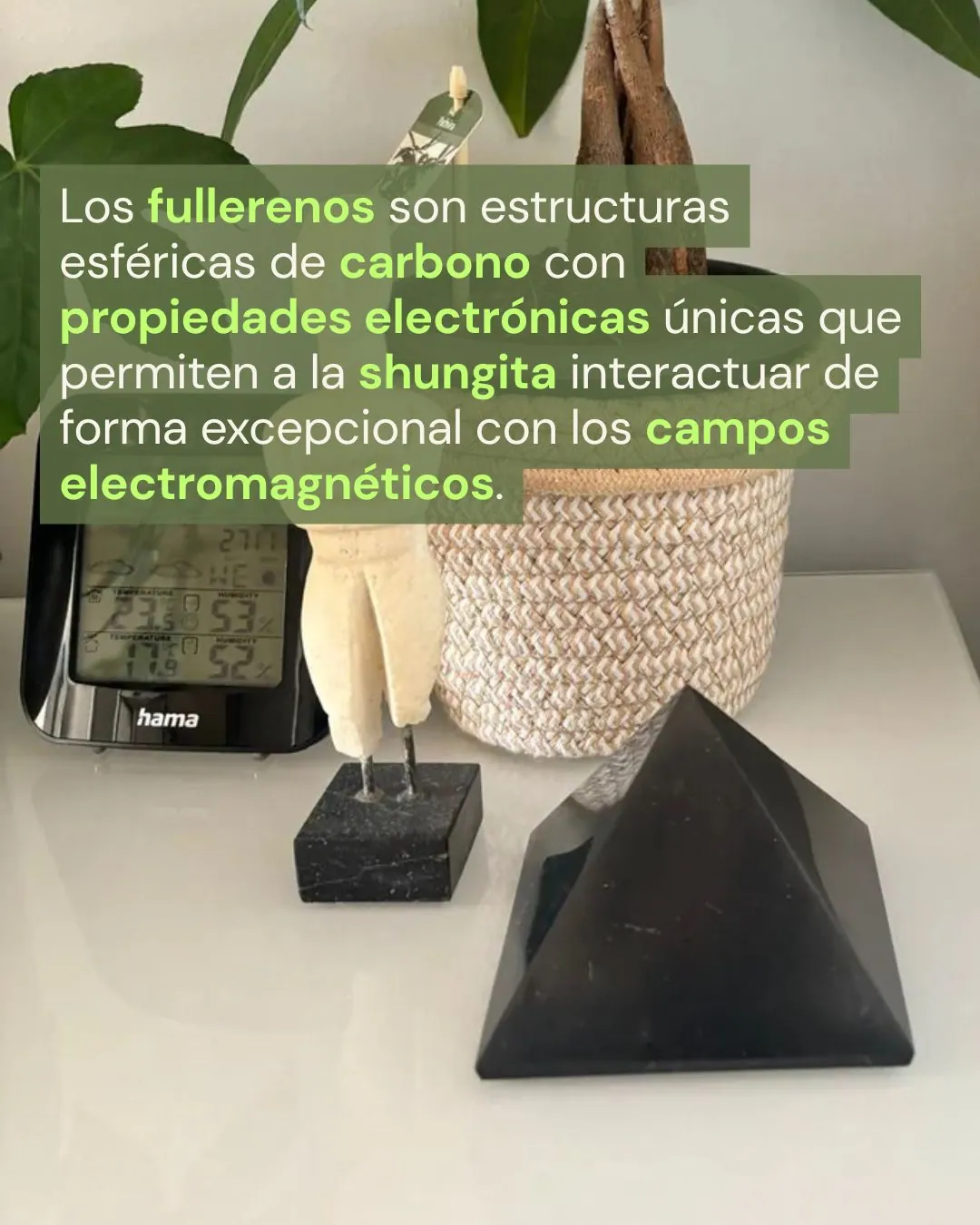
Physical properties and interaction mechanisms
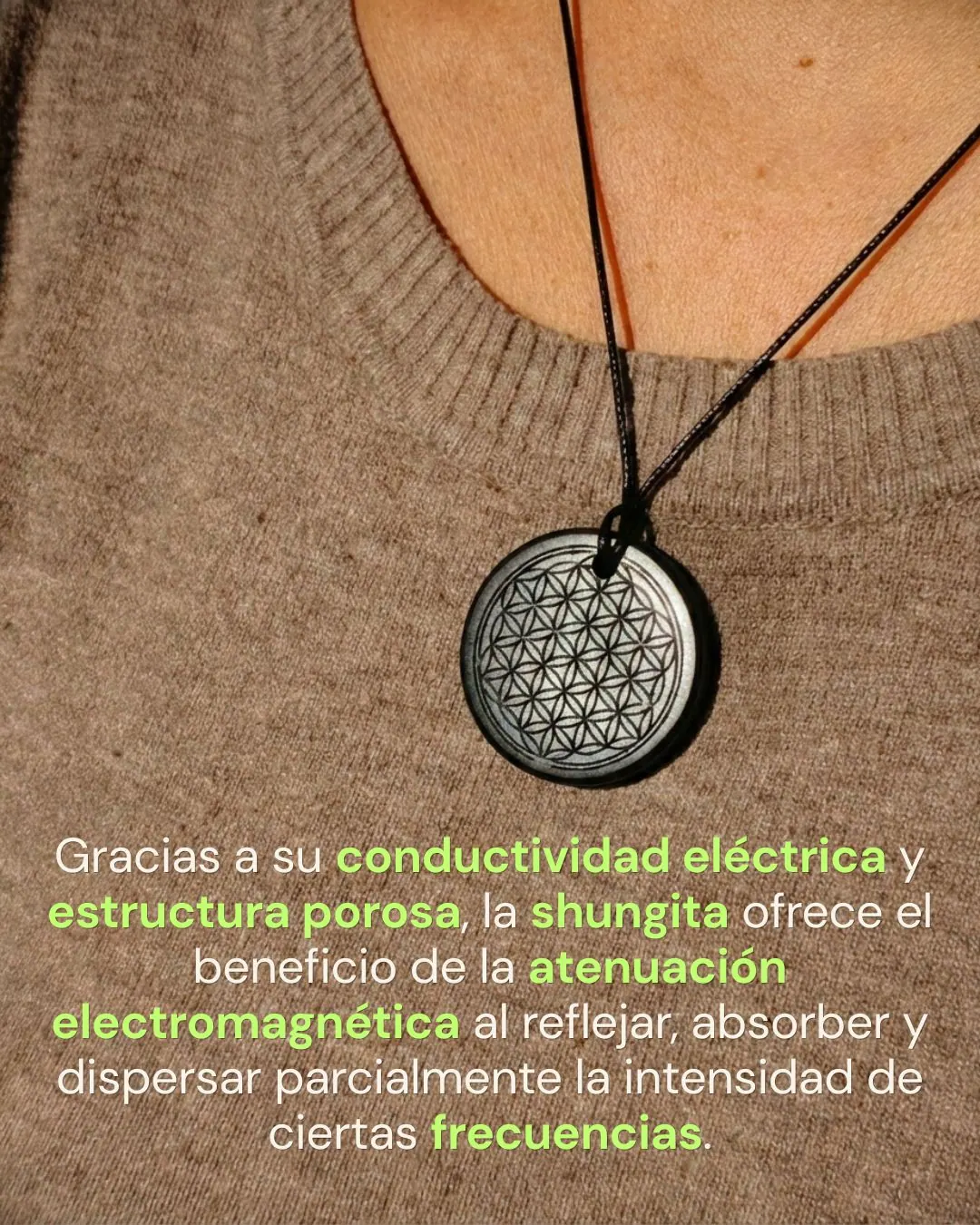
Depending on its type — particularly the variant known as type I or “elite” shungite — this material displays physical characteristics of considerable interest, such as measurable electrical conductivity and a porous structure at the micro and nanoscale. These features make it reasonable, from a materials physics perspective, to study its behaviour when exposed to electromagnetic fields through three well-known phenomena:
- Reflection: Due to the presence of mobile electrons (conductivity), part of the wave can be reflected when it strikes the surface of the material.
- Absorption: Through the induction of internal currents, part of the wave's energy can be dissipated within the mineral, generally as heat.
- Internal losses: Given its heterogeneous, porous nature, the wave can scatter within the material, gradually reducing its intensity.
This combination of processes is what is scientifically known as electromagnetic attenuation. For this reason, shungite is technically defined as a material capable of electromagnetic interaction which, under certain conditions, can partially attenuate certain frequencies.
Review of the scientific evidence
The technical basis for this material rests mainly on two strands of research:
Firstly, a 2003 study published on PubMed (Shielding effect of mineral shungite during electromagnetic irradiation of rats) assessed the biological effects on the haematopoietic system of rats exposed to 37 GHz radiation. Under these controlled experimental conditions, the group shielded with shungite showed fewer biological changes. This preclinical study suggests that the material may modify radiation interaction under specific laboratory conditions.
On the other hand, research focused on microwave absorption (Mechanisms of Microwave Absorption in Carbon Compounds from Shungite) has examined the absorption mechanisms in carbon compounds derived from shungite. This work confirms that the mineral's carbon structures contribute to radiation absorption, although the results depend directly on factors such as composition, density and the thickness of the material used. These findings are consistent with the behaviour of other carbon-based materials studied in materials science.
Applications and conclusions
Taking a rigorous approach, it is reasonable to state that shungite is a unique geological material with measurable electrical properties and a proven capacity to interact with electromagnetic waves within certain frequency ranges.
In everyday use, pieces of shungite — whether pyramids or other objects — are valued as minerals with interesting physical properties. In conclusion, current evidence indicates that shungite has genuine properties for interacting with electromagnetic radiation, which justifies its continued relevance and study within contemporary physics and materials science.
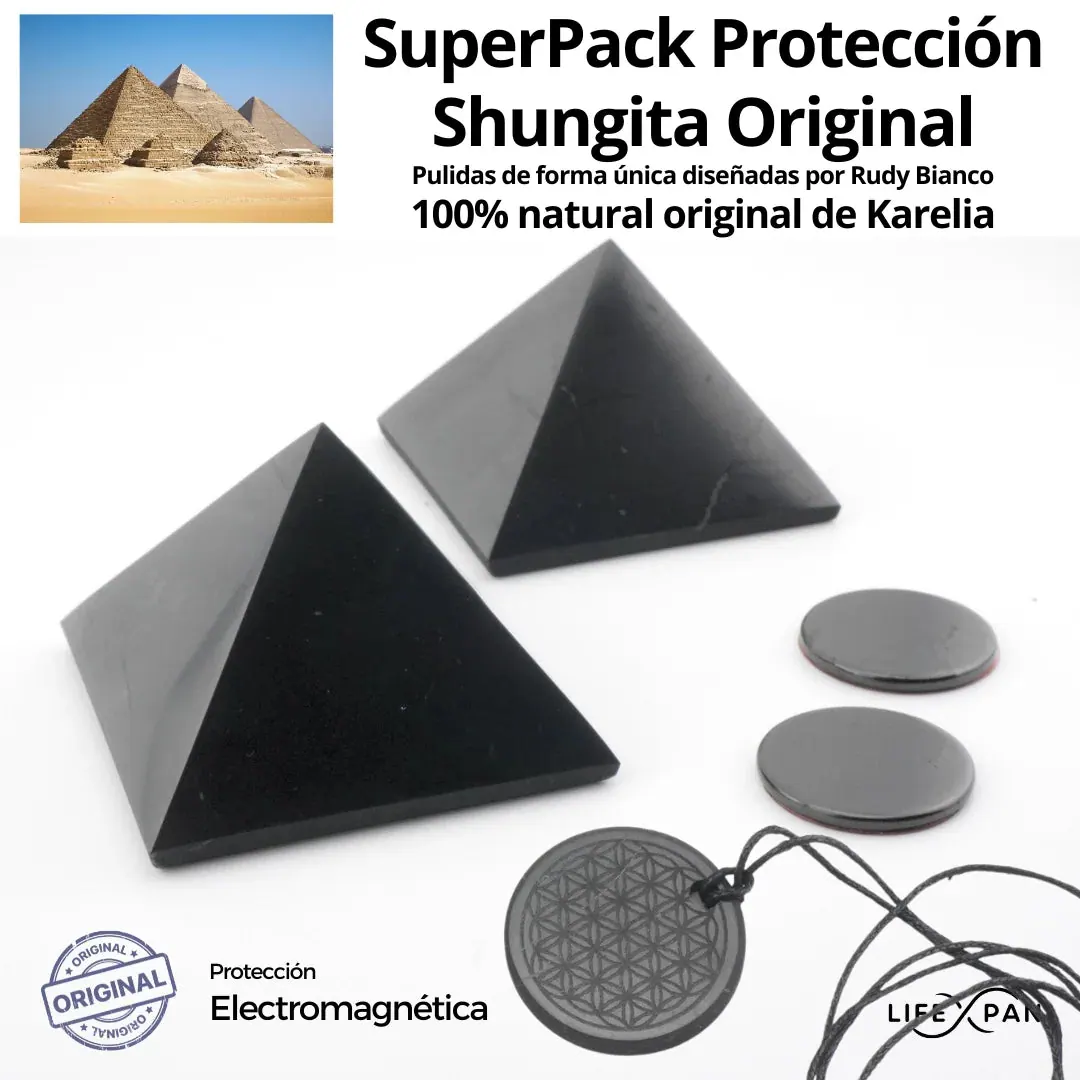
Here's our Lifexpan shungite pack, used by our customers for electromagnetic protection:
Super Pack x2 Shungite Pyramid 60mm Polished + Flower of Life Pendant + x2 Mobile Protection Discs 28mm – New Design by Rudy Bianco | 100% Original, Natural from Karelia (Russia) | Electromagnetic Protection - LifeXpan® Quantum Shield
Carbon microwave absorption Shungite electromagnetic attenuation Non-crystalline carbon Shungite electrical conductivity Fullerenes in natural minerals Electromagnetic interaction of materials What is shungite Shungite Karelian shungite Karelian shungite properties