
 EUR
 Mexico · MXN
 United States · USD
Myths about Metabolism and Energy after 40

Metabolism and cellular energy have long been surrounded by myths, especially when it comes to ageing. It's common to hear phrases like “metabolism shuts down with age” or “you can't get your energy back after 40”, but how much truth is there to this? Here we look at some of the most common myths and set the record straight on what actually happens at a cellular level.

1. Myth: Metabolism slows down drastically after 30
Reality: Metabolism changes, but it doesn't “shut down”.
It's true that metabolism can slow down as we age, but not dramatically or irreversibly. Studies show that the decline is gradual, and many factors such as lifestyle, physical activity, diet and body composition can influence how fast the metabolism runs. Keeping up healthy habits, such as exercise and a balanced diet, helps keep the metabolism in good shape.
What the studies say: Muscle mass plays a crucial role in keeping the metabolism active. Strength training and aerobic exercise can counteract the age-related loss of muscle mass, helping to maintain a more efficient metabolism.
2. Myth: You can't boost your energy as you get older
Reality: Energy can be restored and maintained with the right habits.
Many people assume that fatigue is an inevitable consequence of ageing. However, chronic fatigue is more closely linked to poor habits, poor sleep quality, oxidative stress and mitochondrial dysfunction than to ageing itself. Supplements such as Nicotinamide Riboside (NR), which raises NAD+ levels, help restore mitochondrial function, improving cellular energy production.
What the studies say: NAD+ is crucial for mitochondrial function and ATP production, the main source of energy in cells. As we age, NAD+ levels decline, but recent studies suggest that NR can restore these levels, significantly improving energy and physical performance in older adults.
3. Myth: Eating less automatically slows down metabolism in later life
Reality: The type of food and balance matter more than the quantity.
Many people believe that eating less is the only way to control weight as they age, which can actually backfire. Eating less can lower your basal metabolic rate if not done properly, but the type of nutrients you consume, especially protein and healthy fats, has a far greater impact on how efficiently your metabolism works.
What the studies say: Extreme calorie restriction can lead to a drop in thyroid hormone production, which negatively affects metabolism. A balanced diet rich in essential nutrients, on the other hand, can keep the metabolism active without resorting to drastic calorie cutting.
4. Myth: Only young people can improve their metabolic health
Reality: Metabolic health can be improved at any age.
Although it's easier to improve metabolic health in the early years of life, that doesn't mean it's impossible in later years. In fact, with the right strategy involving nutrition, exercise and supplements such as NR, it's possible to restore and improve metabolic efficiency in older people.
What the studies say: Older adults who make lifestyle changes, such as exercising and using supplements that support mitochondrial health, have shown improvements in insulin sensitivity and glucose metabolism, reducing the risk of chronic diseases such as type 2 diabetes.
5. Myth: Age-related cellular damage can't be reversed
Reality: There are mechanisms that can reverse certain types of cellular damage.
A persistent myth is that cellular damage, such as that caused by oxidative stress and telomere shortening, is irreversible. While it's true that ageing brings about cellular changes, it has been shown that substances such as NR can help improve cellular repair and reduce the effects of age-related damage.
What the studies say: Research has shown that telomeres, the protective ends of chromosomes, can be better maintained when the activity of the SIRT1 protein is increased, regulated by NR. NR and other antioxidants can also reduce cellular damage, promoting greater longevity.
Conclusion:
Debunking myths about metabolism and energy in later life is essential to understanding that ageing doesn't mean an inevitable loss of vitality. On the contrary, with the right combination of healthy habits, exercise, a balanced diet and the use of supplements such as NR, it's possible to maintain and even improve metabolism and energy levels, supporting a more active and healthy life at any age.
What can we take to counteract the effects of low energy?
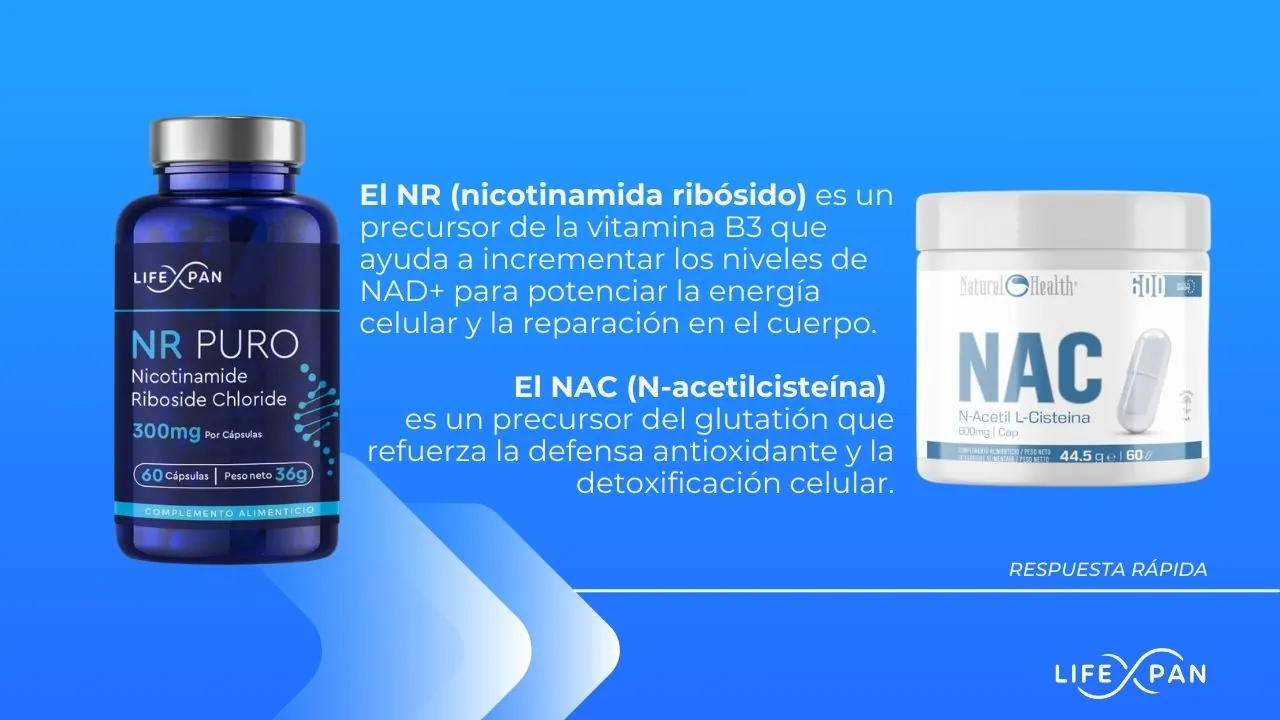
Numerous studies have shown that Nicotinamide Riboside (NR), by raising NAD+ levels, improves mitochondrial function, insulin sensitivity and the cells' ability to repair DNA, three key factors in metabolic health and longevity.
In human studies, NR supplementation has shown positive effects on reducing inflammatory markers, improving lipid profile and increasing perceived energy, particularly in older adults. These benefits make NR one of the most promising strategies for counteracting the energy and metabolic decline associated with ageing.
mitos nr