
 EUR
 Mexico · MXN
 United States · USD
NAD⁺, Stem Cells and the Promise of Regenerative Dentistry
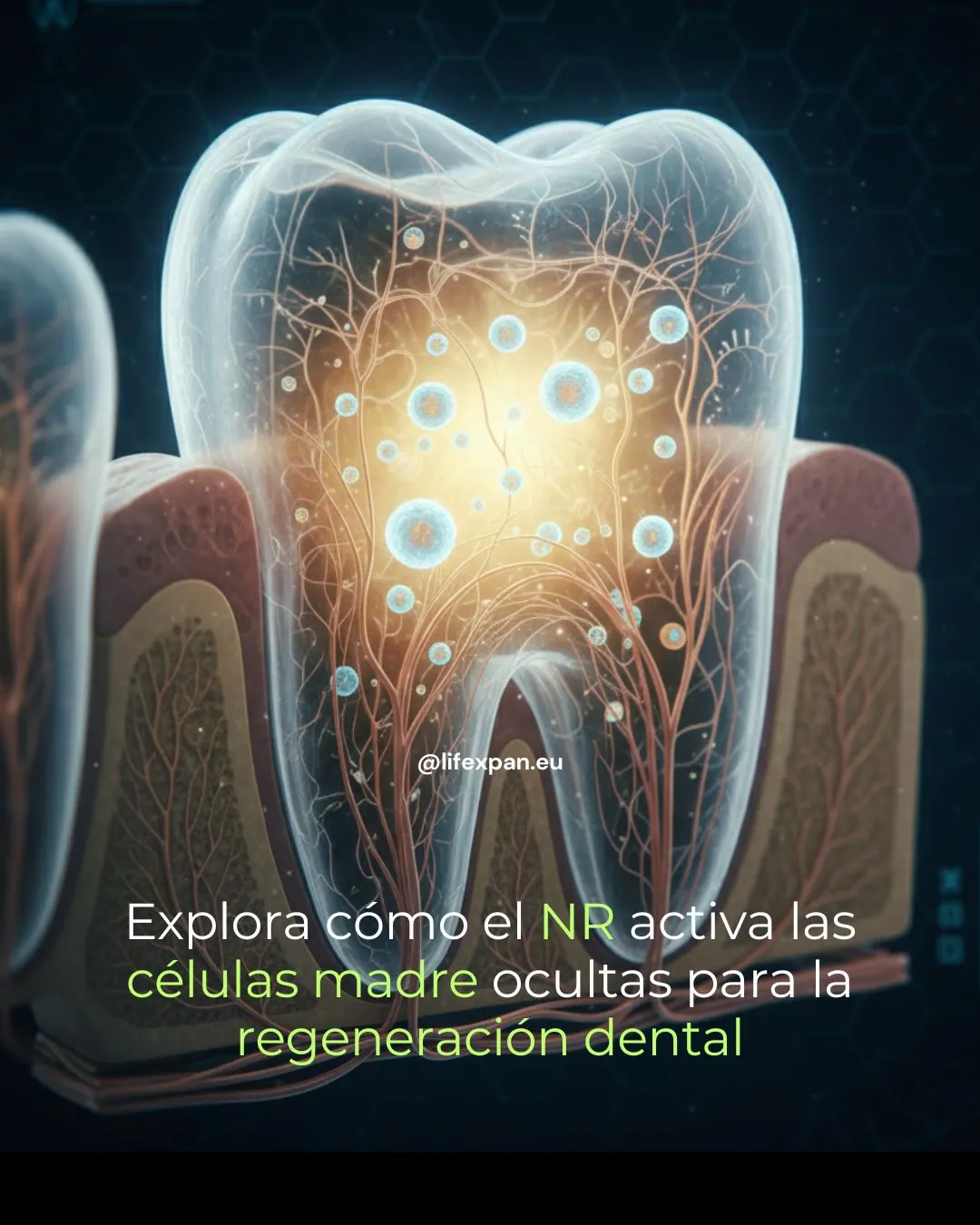
Ageing is a process that affects every corner of our body, including our teeth. We often think their health is simply a matter of good hygiene, but the real driving force behind their vitality lies within. Science reveals that, just like our skin or our organs, teeth have a remarkable capacity for self-repair, one that declines over time. Discovering how to boost this self-repair process could revolutionise dentistry, and this is where a compound as promising as NR becomes relevant.
The Hidden Secret of the Tooth: A Journey Inside the Pulp
At the heart of every tooth lies the dental pulp, a delicate living tissue that houses nerves, blood vessels and, fascinatingly, stem cells. These cells, known as dental pulp stem cells (DPSCs), are a special type of cell that act as the tooth's "repair team". Unlike ordinary cells, which have a fixed function, stem cells are like wildcards: they can divide indefinitely and transform into other cell types, such as those that form dentine, the tooth's protective layer. Their existence offers us a glimpse of a possible regenerative medicine, but how can we activate this potential?
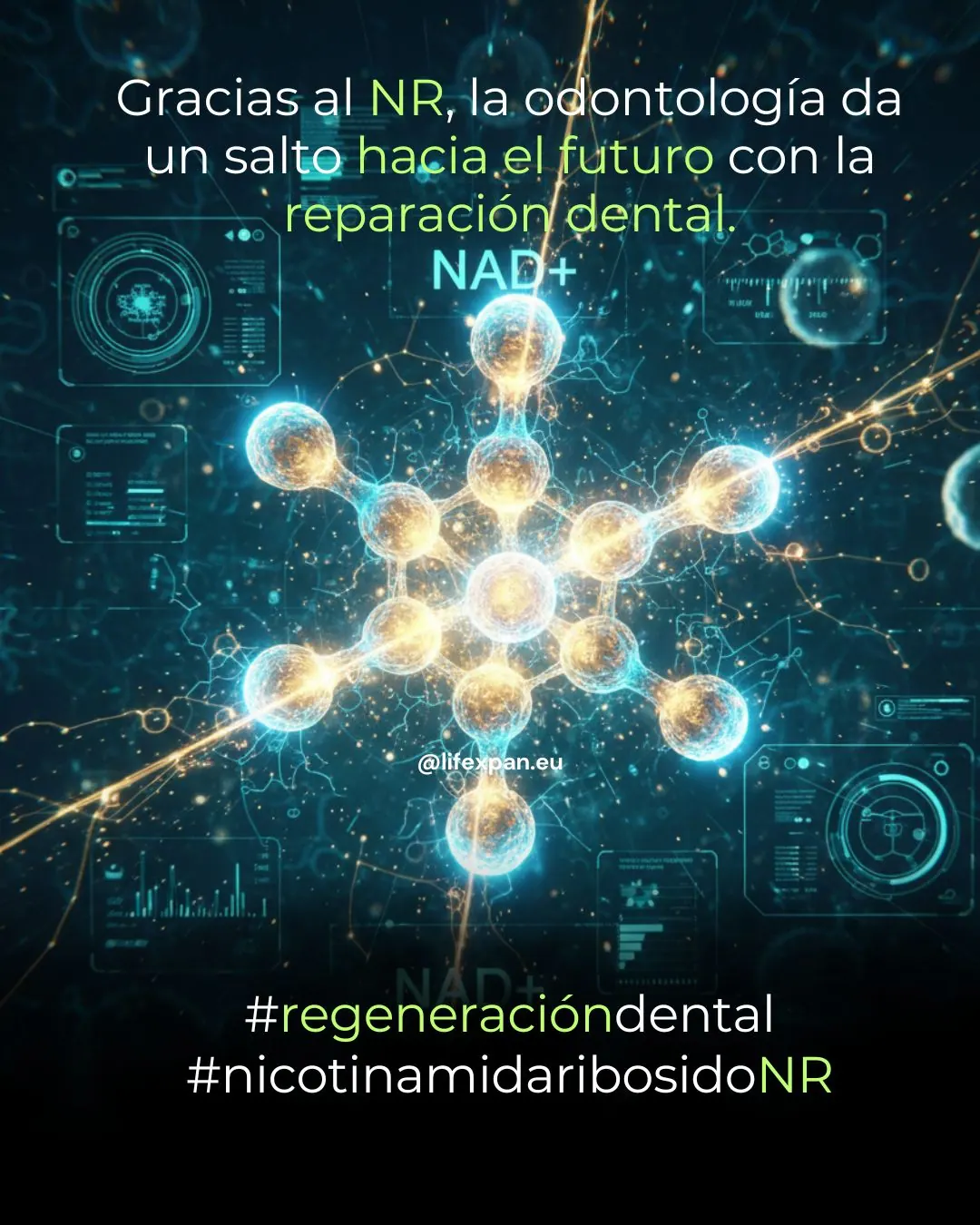
This is where NR, or Nicotinamide Riboside, comes into play. Although its name sounds complex, NR is a molecule that our body uses to produce NAD⁺ (Nicotinamide Adenine Dinucleotide). Think of NAD⁺ as the spark that ignites the engine of every cell. It's essential for energy production, DNA repair and keeping cells young. As we age, NAD⁺ levels decline, and with them, our cells' ability to repair themselves and function optimally. That's why NR supplements have grown in popularity as a way to recharge this cellular engine.
The Discovery That Changes the Rules of the Game
Recently, scientific research has connected these two worlds: dental stem cells and NR. Studies have revealed that NR has the ability to modulate a key cellular process that allows DPSCs to differentiate into odontoblasts, the cells that build dentine.
To understand this process, scientists have focused on the protein HIF-1, a cellular "switch" that is normally activated under stress conditions, such as a lack of oxygen. Research shows that NR, by raising NAD⁺ levels, regulates the activity of this protein to promote an ideal environment for stem cells to transform into odontoblasts efficiently and robustly.
But the most striking evidence didn't stop in the laboratory. In experiments with mice, dental stem cells that had been pre-treated with NR were transplanted into their bodies. The result was surprising: instead of forming amorphous tissue, these cells generated organised structures that closely resembled real dentine. This shows that the effect of NR isn't merely superficial; in some way, it "programmes" these cells to carry out their repair work even in a complex environment.
The Promise of a New Era for Dentistry
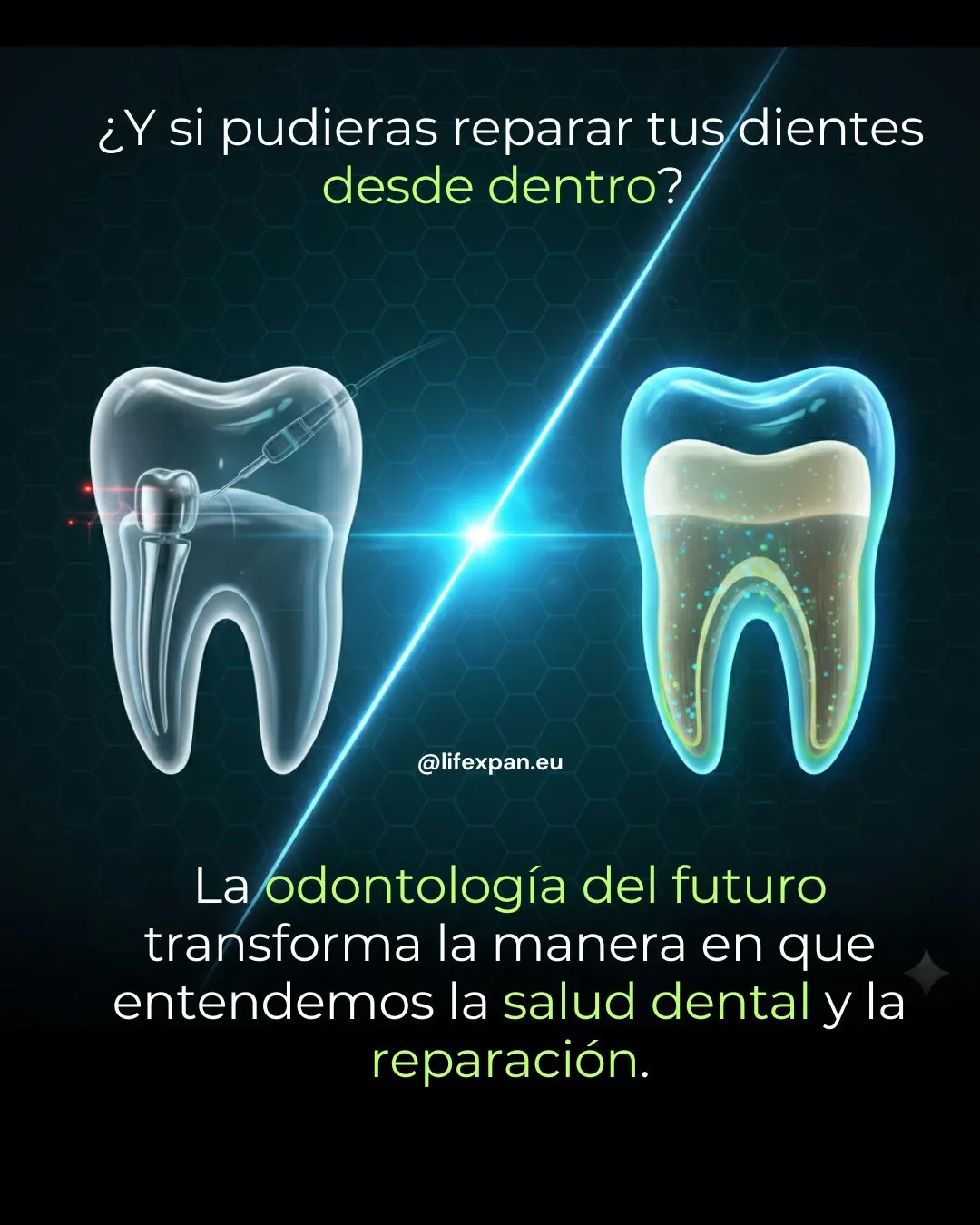
This discovery has the potential to revolutionise dentistry. Imagine a future in which treating a deep cavity isn't an invasive filling procedure, but a process that stimulates the tooth's own ability to repair itself.
What's more, NR could help delay the cellular senescence of dental stem cells. Keeping these cells young and with their repair capacity intact over the years is vital for our teeth to remain strong.
In conclusion, although research is still in its early stages, the link between NR and dental pulp regeneration opens the door to a completely new field of regenerative dentistry. It shows us that, by nourishing our cells with the right "spark", we can unlock the incredible self-repair potential that resides within our own body.
You can keep exploring the Science of Regenerative Dentistry in these resources:
Regenerative strategies in dentistry: harnessing stem cells, biomaterials and bioactive materials for tissue repair. https://pmc.ncbi.nlm.nih.gov/articles/PMC12025071/
NAD+/NADH redox alterations reconfigure metabolism and rejuvenate senescent human mesenchymal stem cells in vitro. https://pmc.ncbi.nlm.nih.gov/articles/PMC7738682/
Now that I've seen this, what can I do?
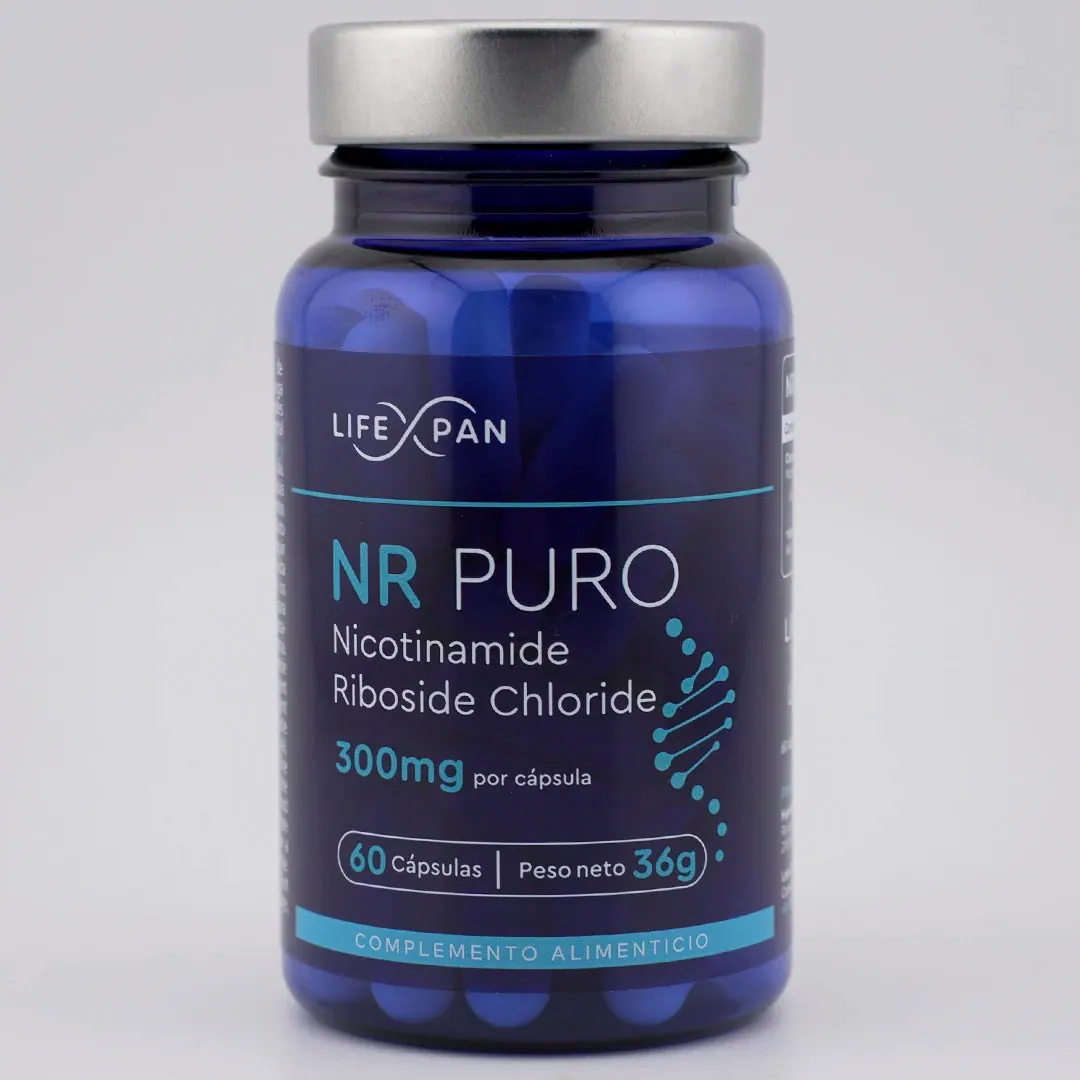
There is a scientifically proven way to raise your NAD+ levels, and that's with LifeXpan® NR PURO capsules. With just one capsule a day, you can progressively raise your levels to enjoy fuller energy.
So there are no excuses – if you've decided to try NR, here you'll find the most advanced option for raising NAD+, made in Spain in partnership with ISO 9001 and GMP certified laboratories, ensuring the highest standards of quality and safety. Available in packs of 30 and 60 capsules of 300 mg, suitable for vegans.
https://lifexpan.eu/products/lifexpan-nr-puro-60
anti-envejecimiento cellular anti-ageing dental stem cells health science Energy NAD+ nicotinamide riboside nr regenerative dentistry dental pulp dental regeneration oral health