
 EUR
 Mexico · MXN
 United States · USD
The Silent Winter Battle: Vitamin D, The Forgotten Secret and the Driving Force Behind Viking Expansion

As winter sets in, life turns inwards: fewer hours of daylight, more time spent in front of screens and a natural tendency towards fatigue. It's a cycle many blame on simple "cold weather", but beneath the surface lies a silent and widespread deficiency: a lack of Vitamin D.
In our modern world, the way our lives are designed—working indoors, wearing sunscreen and avoiding peak sunlight hours—has cut us off from our most essential source of energy. This disconnection isn't just a matter of a few cold months; it translates directly into a constant feeling of tiredness, a less alert immune system and greater vulnerability to seasonal viruses. Science confirms it: Vitamin D is much more than a vitamin; it's a vital hormone.

The Sun, Our Natural Pharmacy
To understand the winter Vitamin D crisis, we need to understand how it works. Unlike other vitamins that come purely from our diet, Vitamin D is unique because our body actually makes it. In fact, it behaves as a hormone, regulating thousands of cellular functions.
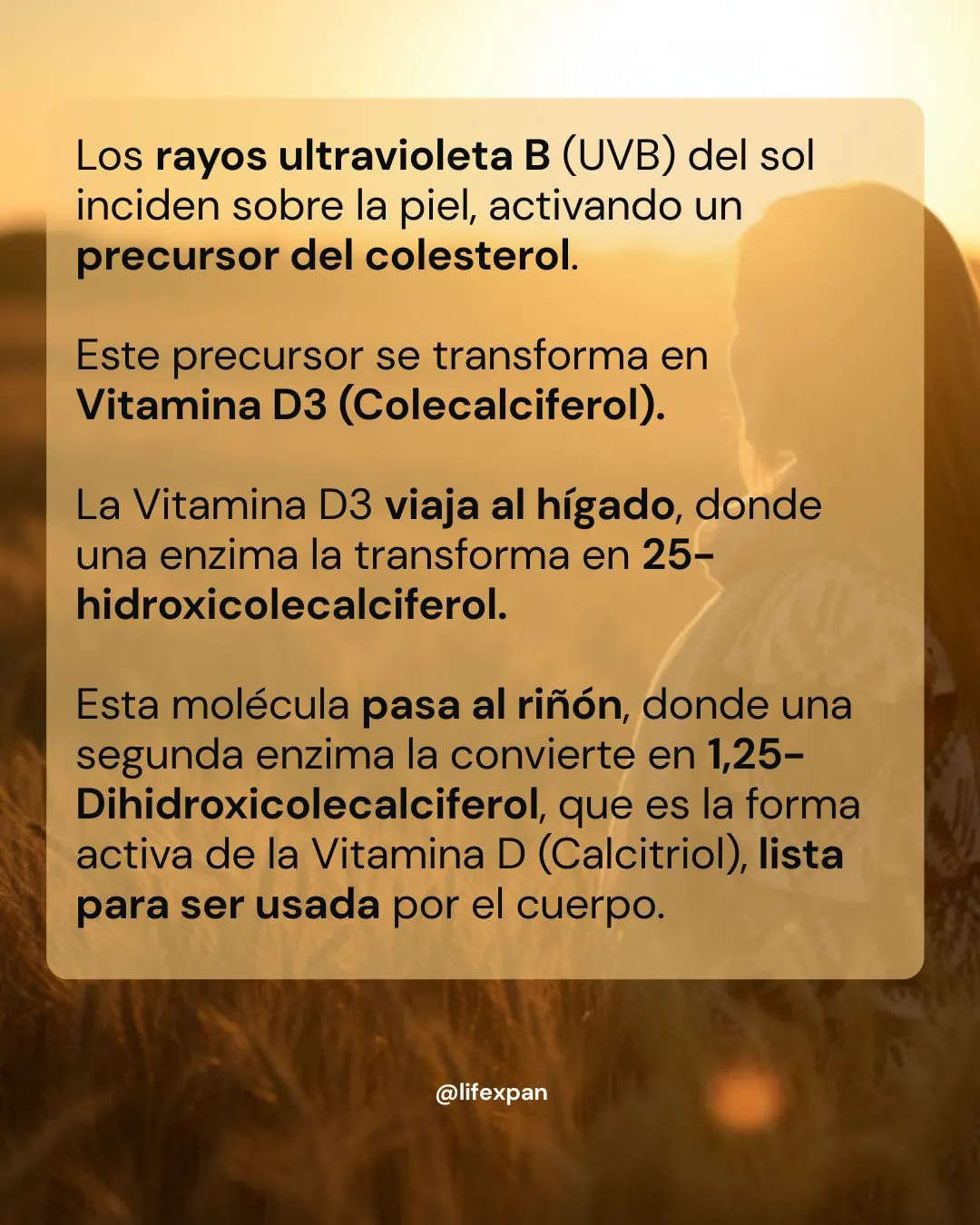
The process is wonderfully simple: when ultraviolet B (UVB) rays from the sun hit our skin, they activate a cholesterol precursor that is converted into Vitamin D3 (Cholecalciferol). This molecule travels to the liver and then to the kidneys, where it is converted into its active form, Calcitriol.
Calcitriol doesn't just help our bones absorb calcium (its best-known role); it also acts as the body's "defence general"1. It binds to receptors in almost all of our cells, especially immune cells. A Vitamin D deficiency means our defences run on half power, leaving the door open to infections. As winter darkens the horizon, the angle at which UVB rays reach us is insufficient at many latitudes, and skin production comes to a near-total standstill.
Cod, the Nutritional Edge and the Viking Expansion
The fight against Vitamin D deficiency is nothing new; it's an age-old battle perfectly illustrated by Scandinavian populations. At these latitudes, where sunlight was a fleeting guest and darkness ruled the landscape, a devastating illness historically took hold: rickets in infants and osteomalacia/osteoporosis in adults. These bone conditions were both a physical hindrance and a weakness for entire populations.
Yet the Scandinavian Vikings of the late 8th century found an empirical solution that became a civilisational advantage. Lacking sunlight, they supplemented their diet with cod, abundant in the northern seas. The Vikings ate plenty of Atlantic cod, which they preserved by salting for their long voyages and expeditions. More importantly still, they ate its liver, extraordinarily rich in fats and Vitamin D.

This improved diet, combined with an active way of life, allowed the Vikings to meet the needs that the dark Scandinavian winters couldn't provide. Thanks to the Vitamin D that cod gave them, they managed to improve their health and avoid bone diseases. This improvement in the health of their crews was a decisive factor in preserving their population and, crucially, in the success of their expansion across Europe.
The success of their raids and campaigns, which went down in history, was not only down to the engineering of their ships and their organisation, but also to the health of their people. This nutritional advantage allowed them to expand across Europe, outpacing their enemies and leaving a genetic and cultural mark on the continent. In essence, cod became their "bottled light", the biological insurance policy that enabled their survival and dominance over much of the European continent.
The Same Challenge, New Habits
Today, despite having access to vitamins in capsules and artificial light, Vitamin D deficiency remains a global epidemic. We've overcome mass rickets, but low Vitamin D levels are now linked to chronic issues such as fatigue, low mood (seasonal affective disorder) and even a weakened immune system.
Our problem isn't lack of knowledge, but our modern routine:
- Office Hours: We spend most of the day indoors, missing the only hours when the sun produces the UVB rays needed for skin synthesis.
- Latitude: Living far from the equator means that between November and March, the sun's angle is insufficient to trigger Vitamin D production in the skin.
- Diet: Few foods naturally contain enough Vitamin D (oily fish, egg yolk, liver), which means we depend almost entirely on the sun.
We're still living in the Nordic shadow, but the solution no longer lies solely in cod liver, but in a conscious and proactive strategy.
Strengthening Our Defences Against Winter
Vitamin D is the body's "insurance policy" for the dark months. Its role is crucial in bone mineralisation (fixing calcium and phosphorus) and in proper muscle and nerve function.
Assuming that diet or accidental sun exposure is enough during winter is to ignore biology and geography. If the health of an entire civilisation, like the Vikings, depended on finding an alternative source (cod liver oil) to survive and expand, our modern strategy must be just as decisive.
The scientific recommendation is clear: during the cold months, it's essential to supplement or ensure an adequate intake of Vitamin D. Boosting your intake of this vital hormone isn't just a preventive measure against winter viruses, but a direct investment in your energy, your mood and the lasting strength of your frame. Give your body the light it needs!
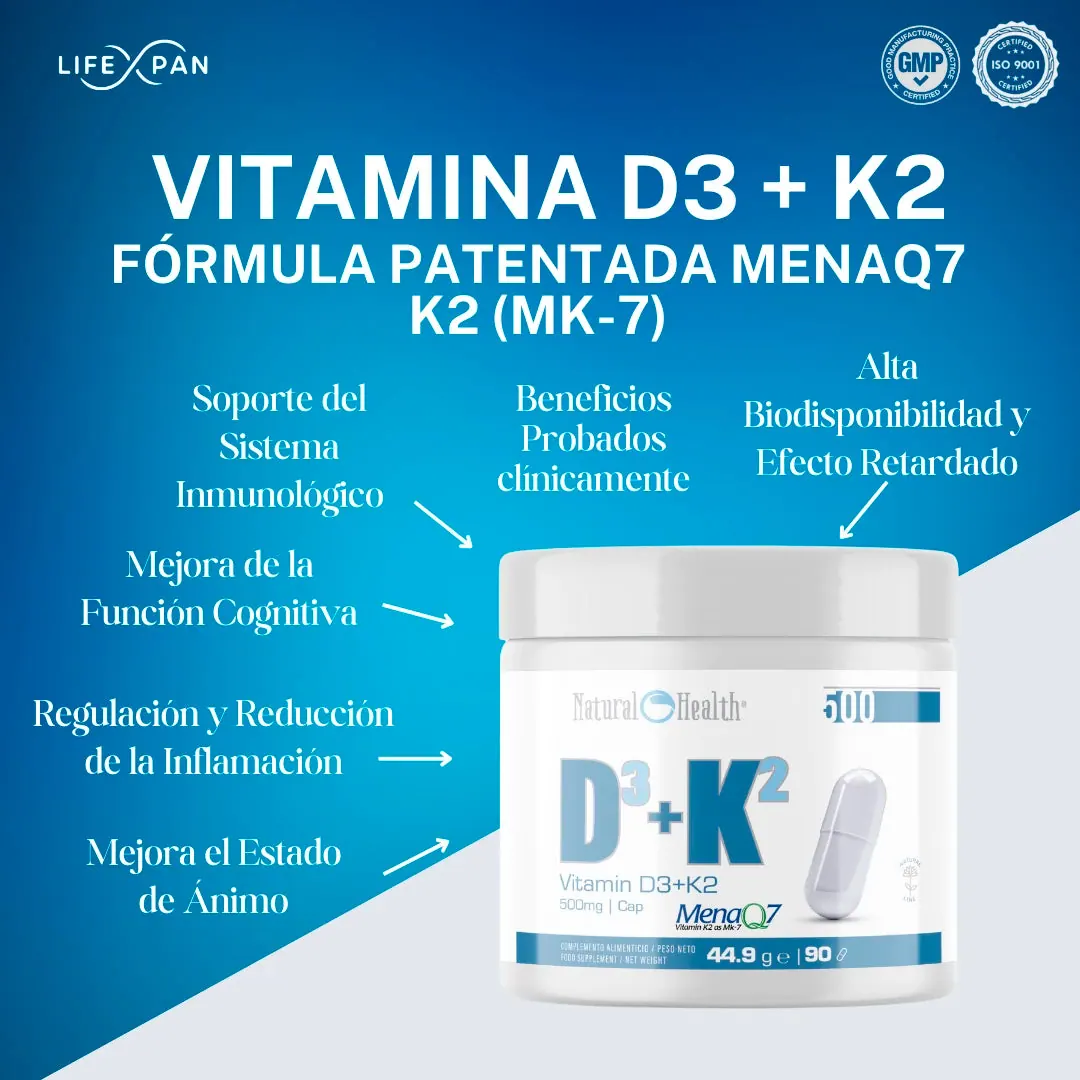
Don't miss the supplement we have in stock Vitamin D3 + K2 made in certified facilities (GMP, ISO 9001) that ensure production, hygiene and control standards are properly implemented. With this boost, you'll be covered all winter long.
And if you want to strengthen your immune system, be sure to check out our Total Defences Combo.

Viking cod calcitriol tiredness and fatigue colecalciferol vitamin D deficiency Viking expansion lack of sunlight winter and health UVB rays bone health immune system vitamin D supplements Vikings and rickets vitamin D