
 EUR
 Mexico · MXN
 United States · USD
Do You Really Have an Allergy to the Cold?: Debunking Winter Myths, Part II
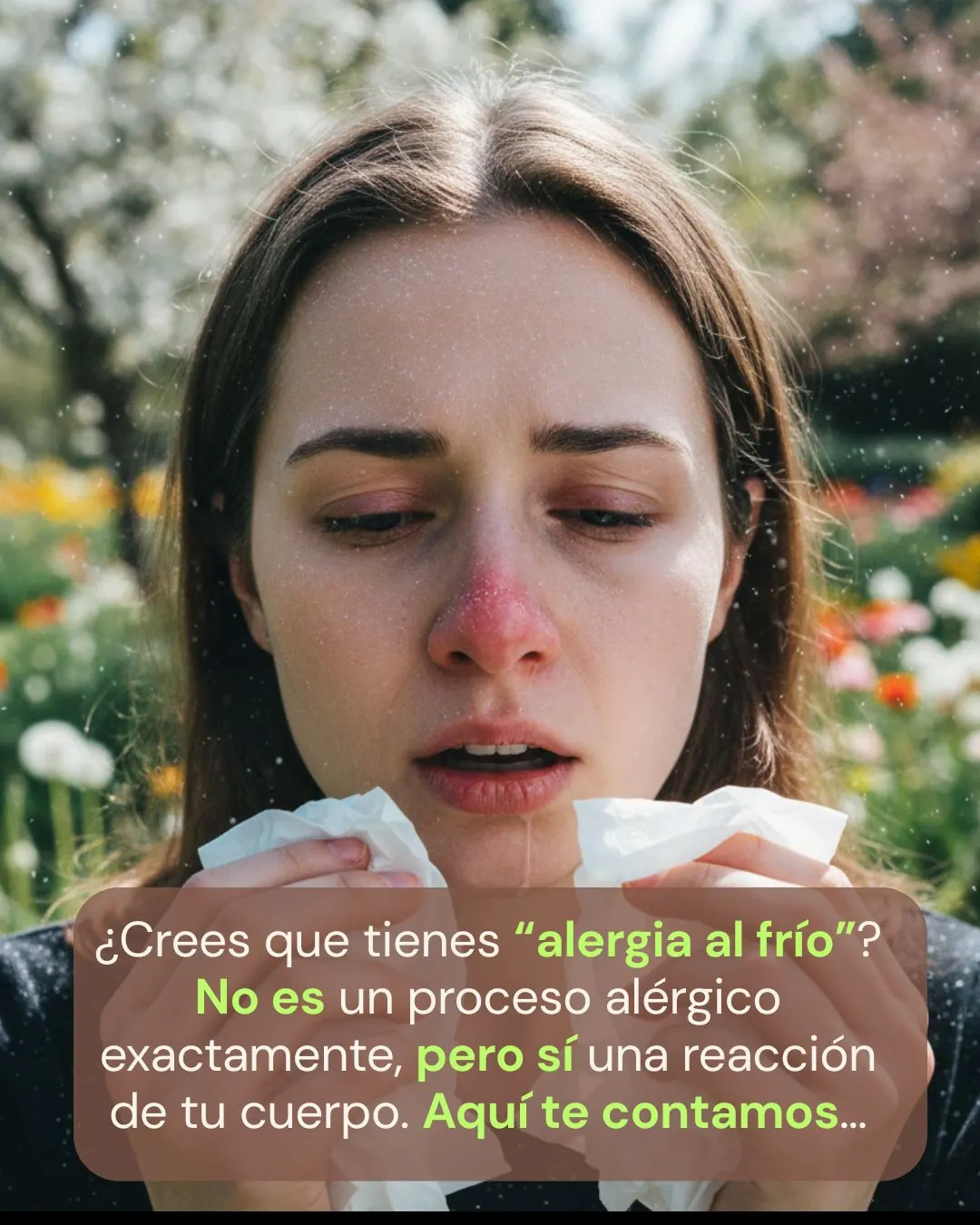
You've surely heard more than one friend say, half-joking, that they have a "winter allergy" right as they step outside and their nose starts running. And while it's not an allergy in the strict sense of the word, they're right that their body is reacting! Let's break down why this happens.
It's Not an Allergy, It's Your Nose Sounding a False Alarm
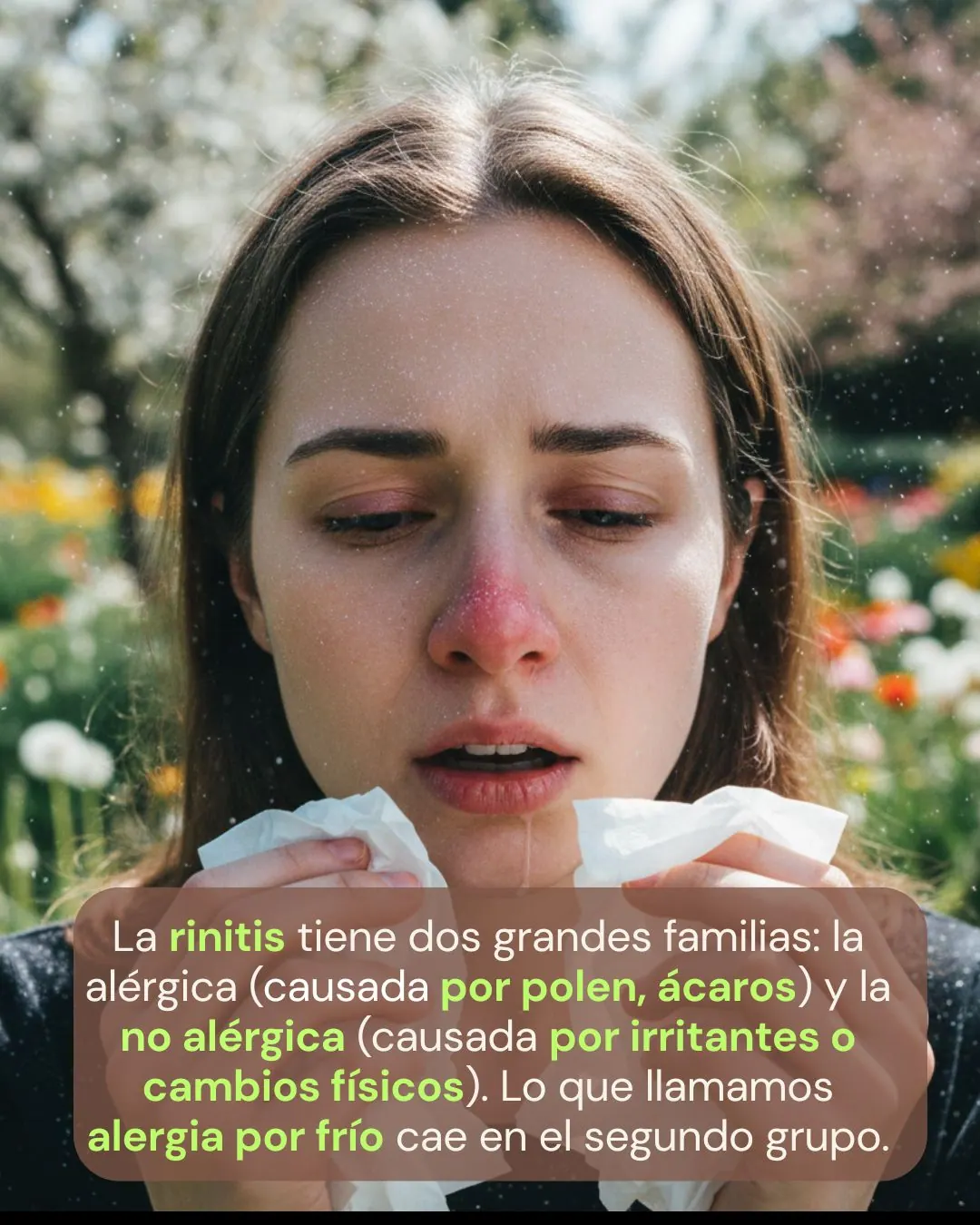
Nasal inflammation, or rhinitis, comes in two main types: allergic (caused by pollen, dust mites) and non-allergic (caused by irritants or physical changes). What's commonly called "cold allergy" falls into the second category and is scientifically known as Cold-Induced Rhinitis or Vasomotor Rhinitis.
Your nose is much more than a simple opening; it's a highly efficient natural heater and humidifier. Its job is to make sure the air you breathe reaches your lungs warm and moist, so it doesn't damage them.
When you inhale that freezing outdoor air, your nose activates an immediate defence mechanism:
- Rapid Dilation: The blood vessels lining your nose suddenly dilate and swell to increase blood flow and warm the air.
- Mucus Production: The mucous glands kick into overdrive, releasing fluid to humidify and "trap" the cold.
Hypersensitivity Is the Key
In people who suffer from Cold-Induced Rhinitis, this protective response is, quite simply, excessive. It's as if the switch controlling this system (the trigeminal nerve) is hypersensitive and overreacts to the slightest thermal shock.
The result? The classic, immediate runny nose (Rhinorrhoea), like a tap left running, and a sensation of a blocked nose or congestion caused by the swelling of those blood vessels.
The Key Difference: Reaction vs. Infection
Here's the key to understanding why you're not "ill":
Cold-Induced Rhinitis is an immediate physical reaction to a stimulus (the cold). It disappears as quickly as it appeared once you step into a warm environment, drink a hot coffee, or cover your face with a scarf.
A common cold, on the other hand, is a viral infection that takes days to incubate and lasts between 7 and 10 days, bringing general malaise, a sore throat and, sometimes, a fever. If your nose stops running the minute you get into the car, it's not a cold — it's your nose crying out because of the change in temperature.
Don't Confuse It with a Real "Winter Allergy"
It's important not to mix up cold-induced rhinitis with what is actually known as a "winter allergy":
Seasonal Winter Allergy: This is a reaction to genuine allergens, such as pollen from certain species that flower in colder climates or, more commonly, allergens that build up indoors. Spending more time cooped up indoors with poor ventilation allows dust mites and mould to thrive, triggering the symptoms of a traditional allergy.
In short, when your friends and family complain, tell them they don't have an "allergy" — they have a nose with an overly enthusiastic self-protection mechanism when the temperature drops.

How Can You Help Calm Your Nose?
Now, if your nose is one of these hyperreactive ones, there are a few little tricks to ease the effect. The key is to avoid sudden temperature shocks to the mucous membrane. Simple things like covering your nose and mouth with a scarf before heading outside help to pre-warm the air you breathe in. Indoors, using a humidifier can be your best friend, since dry air is also an irritant. And finally, keeping up a routine of nasal washes with saline solution helps clean the mucous membrane and makes it less sensitive to changes.
Sources used
Alergia en invierno, ¿a qué es debido?
Rinitis Alérgica y No Alérgica
Histamina: De lo que está hecha la alergia
Rinitis: alérgica y vasomotora: ¿cuál es la diferencia?
And before you go, pay attention...
Beyond the temporary state that rhinitis can bring on, always remember to boost your defences in winter and stay healthy. Regular intake of vitamin C won't stop you catching a cold, but its greatest proven benefit, especially for those who take it regularly, is that it can reduce the duration of a cold (often by 8% to 14% in adults and children) and make symptoms less severe.

winter allergy winter nasal congestion runny nose nasal hypersensitivity winter and health winter myths nasal mucosa cold-induced rhinitis respiratory system