
 EUR
 Mexico · MXN
 United States · USD
What do minerals do in our body and what happens if we're deficient?
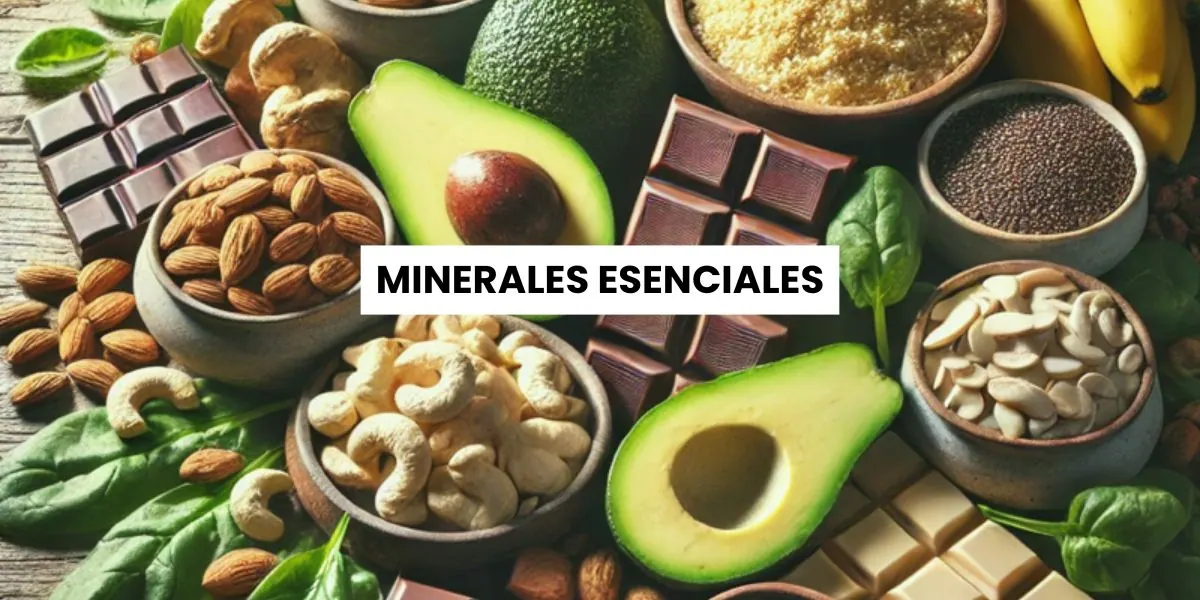
One of the least understood things about what we consume is minerals. We're usually given plenty of information about vitamins, but when it comes to minerals... not so much.
Minerals are essential for the human body to function properly. Here we explain what they do, what benefits they offer, what happens if we don't get enough of them, where to find them in food, and the scientific studies that support their importance.
So, to save you time, here's a handy list of the most essential ones you need to be getting, and where to find them.
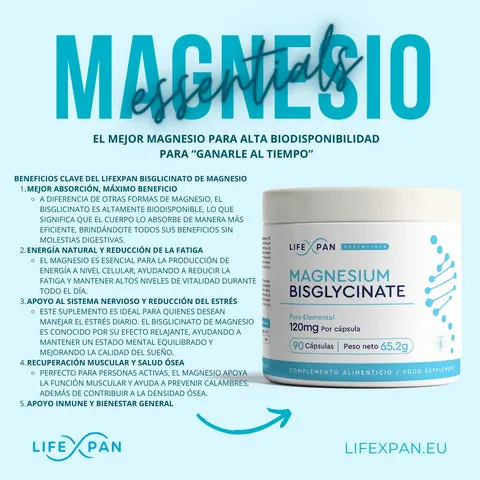
By the way, you'll find them all in the new LifeXpan Essentials
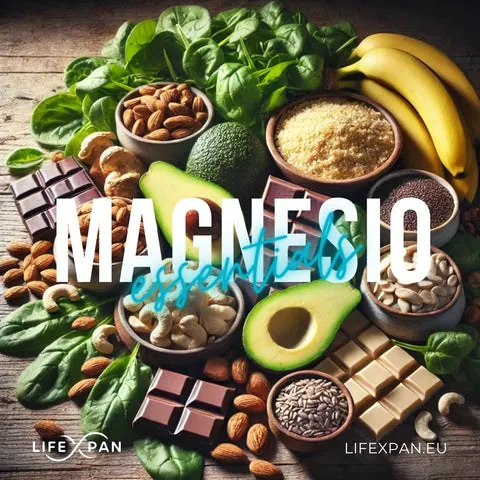
1. Magnesium
• What is it?
Magnesium is an essential mineral involved in over 300 biochemical processes in the body. It's key for energy, muscle and nerve function, and bone health.
Functions and Benefits
• Produces cellular energy.
• Relaxes muscles and prevents cramps.
• Promotes restorative sleep and reduces stress.
• Supports the regulation of blood sugar and blood pressure.
What happens if you're deficient?
Magnesium deficiencies can cause:
• Persistent fatigue.
• Muscle cramps.
• Insomnia and anxiety.
• Increased risk of osteoporosis.
Where can we find it?
• Spinach, almonds, avocados, bananas, wholegrains and pumpkin seeds.
Scientific Study
According to Magnesium Research (2012), magnesium supplementation improves sleep quality and reduces fatigue in people with low levels of this mineral. (Abbasi et al., 2012).

2. Iron
Iron is vital for the production of haemoglobin, the protein that carries oxygen through the blood.
Functions and Benefits
Improves cellular oxygenation, increases energy and physical capacity, and strengthens the immune system.
What happens if you're deficient?
It can cause: Anaemia, chronic fatigue, difficulty concentrating...
Where can we find it? Lean meats, legumes, spinach and tofu.
Scientific Study
A review in The Lancet (2015) showed that iron supplementation significantly improves anaemia and increases physical endurance. (Pasricha et al., 2015).

3. Zinc
Contributes to the immune system, wound healing and DNA synthesis.
Benefits: Improves the immune response, keeps skin healthy and supports cell growth.
What happens if you're deficient? It can cause frequent infections, hair loss and delayed wound healing.
Food sources: Oysters, beef, pumpkin seeds, cashews and chickpeas.
Scientific study: Nutrients (2020) highlighted that zinc reduces the incidence of respiratory infections in older adults. (Prasad et al., 2020).

4. Copper
It's essential for energy production, iron metabolism and the formation of connective tissue.
Benefits: Supports cardiovascular health, immune function and brain development.
What happens if you're deficient?
It can cause fatigue, anaemia and weakness in bones and blood vessels.
Food sources: Seafood, nuts, seeds, wholegrains and dark chocolate.
Scientific study: A study in Biological Trace Element Research (2018) showed that copper is essential for cardiovascular and mitochondrial health. (Uriu-Adams et al., 2018).

5. Selenium
Works as an antioxidant, protecting cells against oxidative damage.
Benefits: Strengthens the immune system, supports thyroid function and improves cardiovascular health.
What happens if you're deficient?
It can increase the risk of heart disease, muscle weakness and thyroid problems.
Food sources: Brazil nuts, fish, eggs, beef and wholegrains.
Scientific study: The American Journal of Clinical Nutrition (2016) showed that selenium improves the antioxidant response and reduces inflammation. (Rayman et al., 2016).
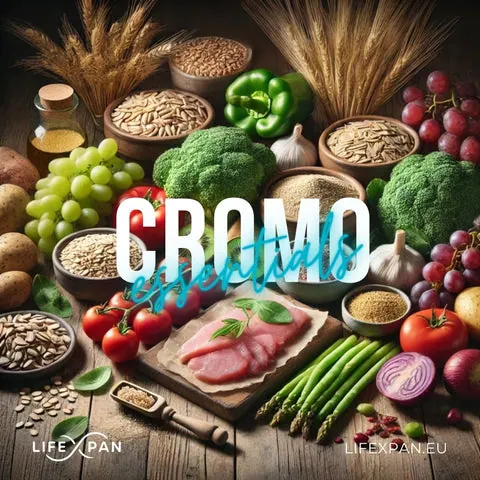
6. Chromium
Helps regulate glucose levels and improves insulin action.
Benefits: Keeps blood sugar levels stable, improves metabolism and supports weight loss.
What happens if you're deficient?
It can cause fatigue, insulin resistance and an increased risk of type 2 diabetes.
Food sources: Broccoli, grapes, apples, nuts and lean meats.
Scientific study: Diabetes Technology & Therapeutics (2014) confirmed that chromium improves insulin sensitivity and reduces glucose levels in patients with type 2 diabetes. (Anderson et al., 2014).
“The advice provided is for informational purposes only and does not replace the opinion of a healthcare professional. Always consult a specialist before making significant changes to your diet or lifestyle.”
Thanks for looking after yourself
biodisponibilidad biohacking magnesium bisglycinate cromo magnesio essential minerals